
0131 335 3685 (24 Hours) enquiries@purvis-marquees.co.uk

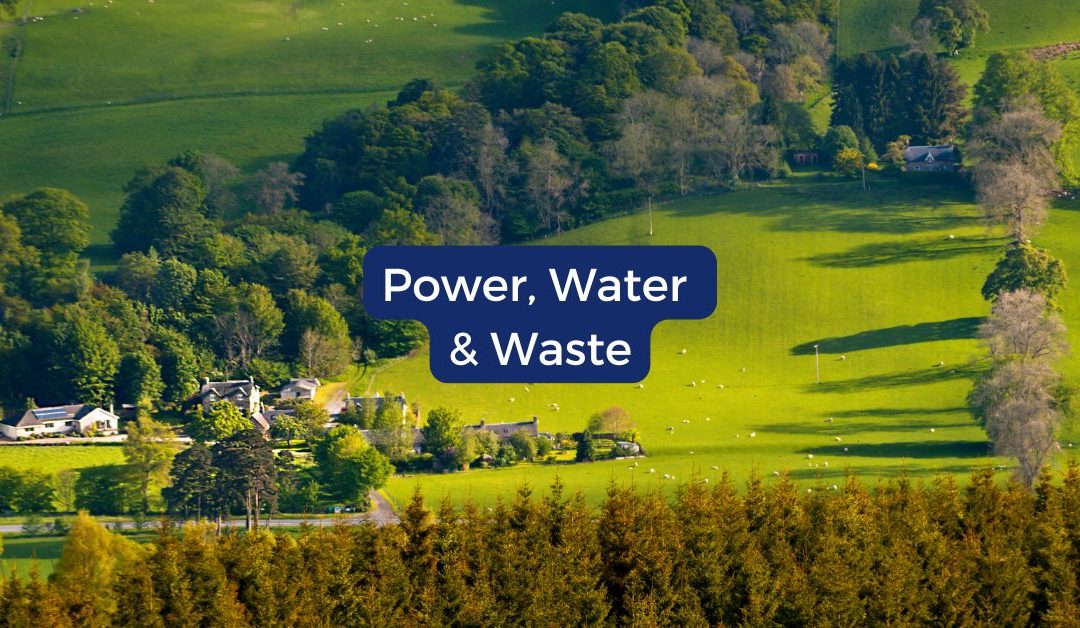
I remember a field in Perthshire. It was the height of summer, and the skies were clear, the kind of naïve calm that lures even the most seasoned event professional into a false sense of security. On paper, the build looked simple enough: 10,000 guests, three main structures, two catering villages, and a live-stream production tent. On the ground, things were very different. The challenge wasn’t the structures themselves, but what ran between them: hundreds of metres of cabling, water supply, and waste management that would make or break the guest experience.

As people who’ve been in the marquee industry for decades, we’ve learned one truth that never changes: your event may be glamorous, but its infrastructure is not. And yet, it’s the difference between a high-end experience and a catastrophic failure.

POWER. You’d think organisers would know by now, one generator is never enough. But we’ve seen events tethered to a single power source, praying the lights stay on. The best builds layer redundancy into their bones. Dual power feeds aren’t a luxury, they’re an insurance policy. Split your lighting and AV across separate generators, and if you’re serious, run your catering on its own. It’s not just about keeping the stage lit, it’s about preventing a panic when a fryer, lighting truss, or water heater demands too much juice. The Institution of Engineering and Technology’s wiring regulations are worth familiarising yourself with, not just for compliance but for sanity: updated May 2025.

WATER. We’ve lost count of the times it’s been the silent saboteur of great events. You don’t notice its absence until you need it. Whether your venue is a castle courtyard or a remote farm field, your water plan needs to be a map, not a guess. I recall a marquee we once built in the early days that ran bone-dry two hours into the event, the nearest mains water supply was uphill, and the pressure couldn’t support peak demand. We solved it with tanks and pumps, but a smarter plan would have accounted for water flow, not just capacity.

And if the event involves catering on any scale, even just a bar, you need a separate grey-water plan. Scotland has some of the strictest waste disposal regulations in the UK. You can’t just drain into a hedgerow. Proper removal, treatment, and documentation are more than a tick-box exercise. Ask any event manager who’s been pulled into a post-event debrief with the local Environmental Health team.

WASTE. The one no one likes to budget for. Whether it’s food waste, packaging, or sanitary provisions, it accumulates faster than you’d think. And forget the polite bins, at a whisky festival in Speyside a few years ago, we watched trash pile up by 11am because the bins were designed for 2,000 guests, not the 5,000 who actually arrived. Good infrastructure planning accounts for the worst-case scenario, not the best. We’re fans of zero-waste event principles, the Ellen MacArthur Foundation has a solid guide on circular design principles that can be adapted to event infrastructure.


At Purvis, we like to think of ourselves as more than marquee providers. We’re infrastructure strategists. Whether it’s 200 guests or 200,000, our work starts long before the ground is broken. We walk the site, map the gradients, check the ground conditions, and design infrastructure layouts that plan for both pressure and failure. Clients often ask us why we care so much about what happens between the tents. I tell them: because that’s where success lives.

That field in Perthshire? We ended up running over 1,200 metres of cable, 600 metres of water lines, and installed a waste system that included triple-capacity holding tanks. Not one spotlight flickered. Not one hand went unwashed. It was, by infrastructure standards, a triumph.

Event managers love to talk about creativity, about stages and screens and interactive activations, but if you want real trust from your guests, and your team, invest in power, water, and waste planning. Build from the ground up, literally. And if you don’t know where to start, call someone who’s done it in gale-force winds, in muddy fields, and under pressure 😉.

I’ll leave you with this thought: temporary doesn’t mean improvised. The greatest outdoor venues in the UK, from Glastonbury to Edinburgh’s Hogmanay, are lessons in infrastructure mastery. The difference between a disaster and a delight isn’t just the marquee overhead, it’s the world that keeps it running beneath your feet.

Next time you walk across a festival site, look down, not up. That’s where the magic really is.